
You’ve likely heard terms like cannabis, hemp, weed, and ganja tossed around, sometimes interchangeably, sometimes with conviction. But have you ever paused to wonder what truly sets them apart? Are they simply different names for the same plant, or do they carry distinct meanings and uses? If you’ve been curious, you’re in the right place. Let’s clear the haze together.
Cannabis is a flowering plant belonging to the Cannabaceae family, known scientifically as Cannabis sativa or Cannabis indica. It is widely recognised both for its psychoactive effects when consumed recreationally and its therapeutic uses in medicine.
The word “cannabis” broadly refers to all products derived from this plant, including its dried flowers, leaves, stems, and seeds.
The plant contains over 540 chemical substances, among which more than 100 are cannabinoids. Cannabinoids are unique compounds that interact with the human body’s endocannabinoid system. The two most important cannabinoids are tetrahydrocannabinol (THC) and cannabidiol (CBD). THC is the primary psychoactive compound that produces the “high” sensation by altering mood, perception, and cognition. CBD, on the other hand, is non-psychoactive and is often associated with potential therapeutic benefits without intoxicating effects.
Common alternative terms for cannabis include “marijuana,” “weed,” “pot,” “ganja,” and “dagga” (a term often used in South Africa). While these words are often used interchangeably in casual conversation, they can have nuanced meanings:
is the scientific and umbrella term for the plant and all its derivatives.
typically refers to cannabis varieties or products that contain substantial amounts of THC and are used for recreational or medicinal purposes.
pot, ganja, dagga and similar slang terms generally denote marijuana but are colloquial.
refers to cannabis plants bred specifically for industrial use, which contain very low levels of THC (legally defined as below 0.3% THC in many jurisdictions) and are used for products like textiles, paper, and some CBD extracts.
Understanding these distinctions helps clarify conversations about cannabis, especially as legalisation and medical usage expand globally.
Medical cannabis is cannabis that is used specifically for its potential health benefits and therapeutic effects under medical supervision. It differs from recreational cannabis mainly in purpose, regulation, and often in chemical composition:
Medical cannabis is prescribed or recommended to alleviate symptoms or treat conditions such as chronic pain, epilepsy, multiple sclerosis, nausea from chemotherapy, and more.
Medical cannabis products often have controlled levels of THC and higher levels of CBD, depending on the required therapeutic effect. CBD is valued for its potential to reduce inflammation, control seizures, alleviate anxiety, and provide pain relief without causing intoxication or euphoria.
Medical cannabis products are usually subject to stricter quality control, standardised dosing, and lab testing to ensure safety, potency, and consistency. This contrasts with many recreational products, which can vary widely in potency and purity.
Medical cannabis may be available as dried flower for vaporising, oils, tinctures, edibles, or pharmaceutical-grade extracts. These products are designed to meet specific medical needs and can be consumed in various ways to optimise efficacy and minimise side effects.
In contrast, recreational cannabis is primarily consumed for its psychoactive effects, which come mainly from THC. Users seek the “high” or altered mental state it produces, as well as mood enhancement or relaxation. Recreational cannabis products can have varying and sometimes higher THC levels and less emphasis on CBD content.
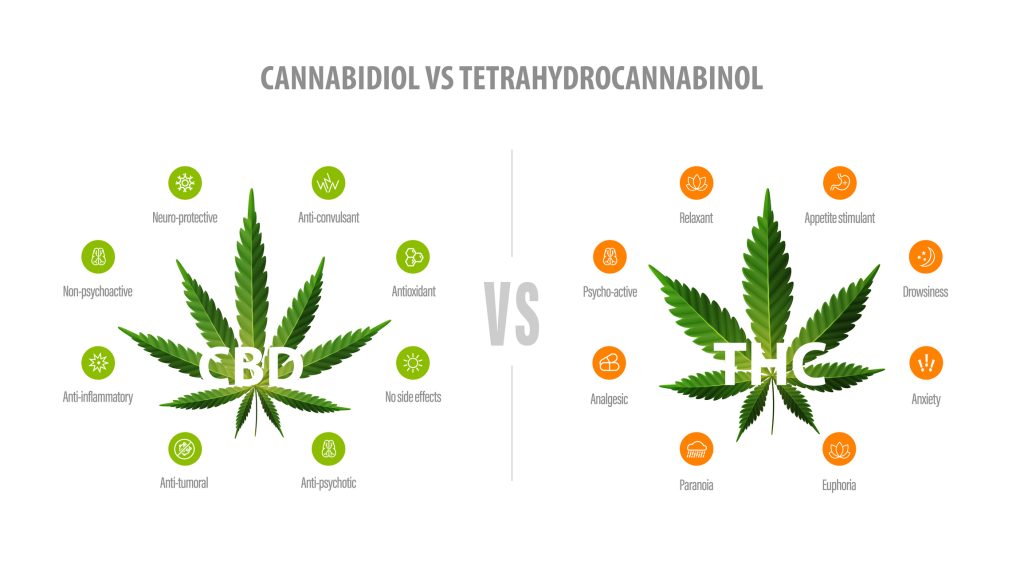
Effects of cannabis depend on many factors, including the cannabinoid profile (THC vs. CBD levels), terpenes (aromatic compounds that may affect effects), method of consumption (smoking, vaporising, edibles), dosage, and individual user differences.
Sativa and indica are traditional classifications thought to influence the type of effects. Sativa is more energising and indica more relaxing, but modern science emphasises the chemical composition rather than plant type as key to effects.
Medical cannabis is set apart by its therapeutic intent, controlled composition, and regulatory oversight. Understanding these distinctions helps individuals make informed decisions about cannabis use and appreciate the plant’s wide range of applications beyond just recreational enjoyment.
Are you ready to grow with us? Be the first to know when we launch, discover inspiring reads, explore new strains and deepen your knowledge with our expanding library of educational content.